

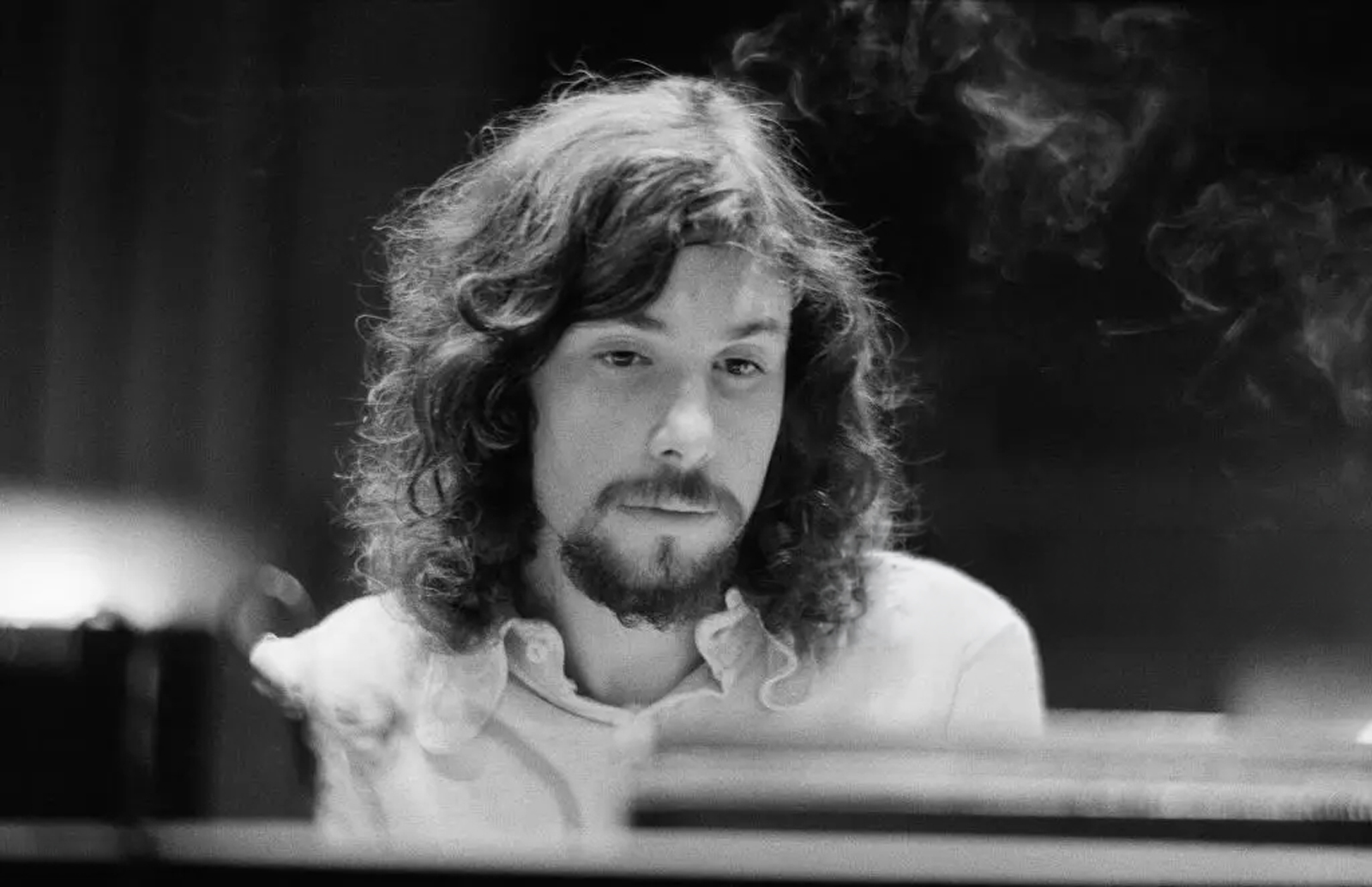
We were saddened to hear of the passing of Dave Greenslade, whose musical career spanned decades of creativity with Colosseum and his own pioneering group Greenslade. A brilliant keyboard player and outstanding composer and arranger his work was showcased on classic studio and live albums, many now available on the Repertoire label.
Dave Greenslade was much loved by all who knew him for his charm, sense of humour and loyalty to family and friends as well as those who worked by his side in many different capacities and settings over the years.
Dave and his lifelong friend the legendary drummer and bandleader Jon Hiseman grew up together, sharing an early passion for music, jazz in particular. Dave kept his ties with Jon’s family until the end. When Jon died in 2018 it was a great blow and only recently Dave wrote to Jon’s daughter Ana Gracey: ‘Jon Hiseman was one of my oldest and dearest friends. Occasionally he pops into my head – still leading the band – and he is much missed.’
CHILDHOOD
David John Greenslade was born in Woking, Surrey, England on 18 January 1943. His mother was a singer and pianist who sang in the local church choir and his father Jack was a pianist who ran a dance club in the 1930s. Recalled Dave: “I was born in Woking when my mum was evacuated from South East London during the Second World War. But we moved to Eltham where I lived until I left home. I used to pick up guitarist Albert Lee up from his home in Lee, South London in my Rover 14 car. He lives in America now.
“My parents were musical. My mum had a lovely voice. She was Welsh and sang in the Methodist church choir and did solo spots. She also played sensitive, delicate piano. My father was a piano player and back in the 1930s he had a semi-pro dance band called the Melodians”.
Dave’s parents encouraged him to play the piano and he joined a local church youth club. There he met Jon Hiseman and Tony Reeves who would later become the three founding members of Colosseum.
Dave: “Jon, myself and Tony grew up together and knew each other from the church youth club from the age of 14. I think that’s where Colosseum started, even though we didn’t know it at the time! It would have been around 1958 and Jon was a year younger than us.
“Jon was a natural big band drummer. He was born to it. As kids we listened a lot to Count Basie and Duke Ellington and played along to their records at his house. But as a leader of men Jon got pissed off with having to put the record on for ME to play the drums.
“So he said: ‘There’s a piano in the other room. You can play a bit of piano. Let’s take the drums in there.’ And I never looked back. The best thing he ever did really. That’s how I developed my piano playing and composition. But it was only because Jon wanted the drums all to himself. Ha, ha!”
Dave thought Jon’s mum and dad were fantastic. “And very tolerant. Jon and I used to play in their front room so much it must have driven them mad. I also used to drive my parents mad playing the piano non-stop”.
As well as big bands the pals also listened to Dave Brubeck and were inspired to start the Dave Greenslade Trio with Tony Reeves on bass and so began playing at the youth club. “Even at 16 Jon was a natural leader and good at managing people. He was just that kind of guy. He would have been successful at whatever he did.”
THE WES MINSTER FIVE
After school Dave took a job in the City but also began playing a Bird electric organ with the Wes Minister Five at the Scene Club in Ham Yard, Soho. This band included Brian Smith (guitar) and Paul McDowell (vocals) backed by Hiseman and Reeves.
Dave: “It was the strangest kind of line up. When we had an audition for another gig at the nearby Flamingo Club in Wardour Street I couldn’t take my Bird organ with me. But Georgie Fame of the Blue Flames kindly showed me how to play a Hammond organ. I was hoping I could borrow his organ, but later I bought a brand new L100 Hammond with a Leslie speaker cabinet that cost £700. It was the best investment I ever made.”
AFRICA CALLS
Although the Wes Minister Five did get a spot at the Flamingo in 1963 (where they were spotted by a young music reporter soon to join the Melody Maker) Dave took another plunge and went off to Africa, having accepted the offer of a date with a band in Casablanca. It meant leaving his City job behind aged 20 and embarking on what proved to be a highly dangerous mission into the unknown.
An old Dormobile van transporting the band broke down leaving the chaps stranded and penny-less in the desert surrounded by Arab tribesmen. The lads were rescued by armed police and driven to Casablanca where they stayed for three months playing earthy R&B. Eventually they crossed the sea to France and began entertaining chic customers in smart Paris night clubs including the Moulin Rouge.
CHRIS FARLOWE & THE THUNDERBIRDS
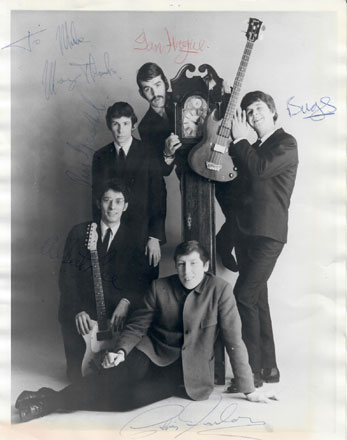 Now aged 21 Greenslade and still lugging his portable Bird organ came home and joined Chris Farlowe and the Thunderbirds. “I had led quite a colourful, musical life even before I joined Chris. The Flamingo was like a Sunday school compared to Casablanca!”
“I asked manager Johnny Gunnell if any of his bands wanted a keyboard player and he said: ‘Yes, Chris Farlowe is looking for one.” Chris was auditioning guys at Klooks Kleek, in West Hampstead. So I turned up with my Bird organ. There were three or four guys already there so I sat there, until it was my turn. Albert Lee was on guitar in the band and he was fantastic. He told me what key the tune was in and off we went. After two or three numbers Chris turned round to me and said: ‘You can stay there all night if you like.’ I stayed for three years.”
The front line of the Thunderbirds now backing Chris had Albert on guitar and Dave on Hammond, as well as a bass guitarist and later on Carl Palmer on drums The tight little band soon rivalled the other Flamingo regulars, Georgie Fame’s Blue Flames and Zoot Money’s Big Roll Band..
Dave: “We didn’t feel inferior in anyway. Chris was a fantastic singer and still is. So we had that as a big plus. We also had Albert Lee and by then I’d learnt quite a lot as a pro musician and had travelled around a bit.
“It was a big learning curve and a privilege to be able to take part. Even so it was hard work and I became more tired than when I had a day job! Chris kept records of what we got paid. He told me after one gig, me and Albert got one shilling and four pence each. Oh the riches and the glamour of it all!”
After three years Dave Greenslade was head hunted by Clive Burrows the baritone sax player who asked him to join the Ram Jam band. “So I joined Geno Washington’s Ram Jam Band in 1967 and stayed for 18 months. It was good for a while, although Geno insisted we wore bizarre uniforms with gold boots!”
COLOSSEUM
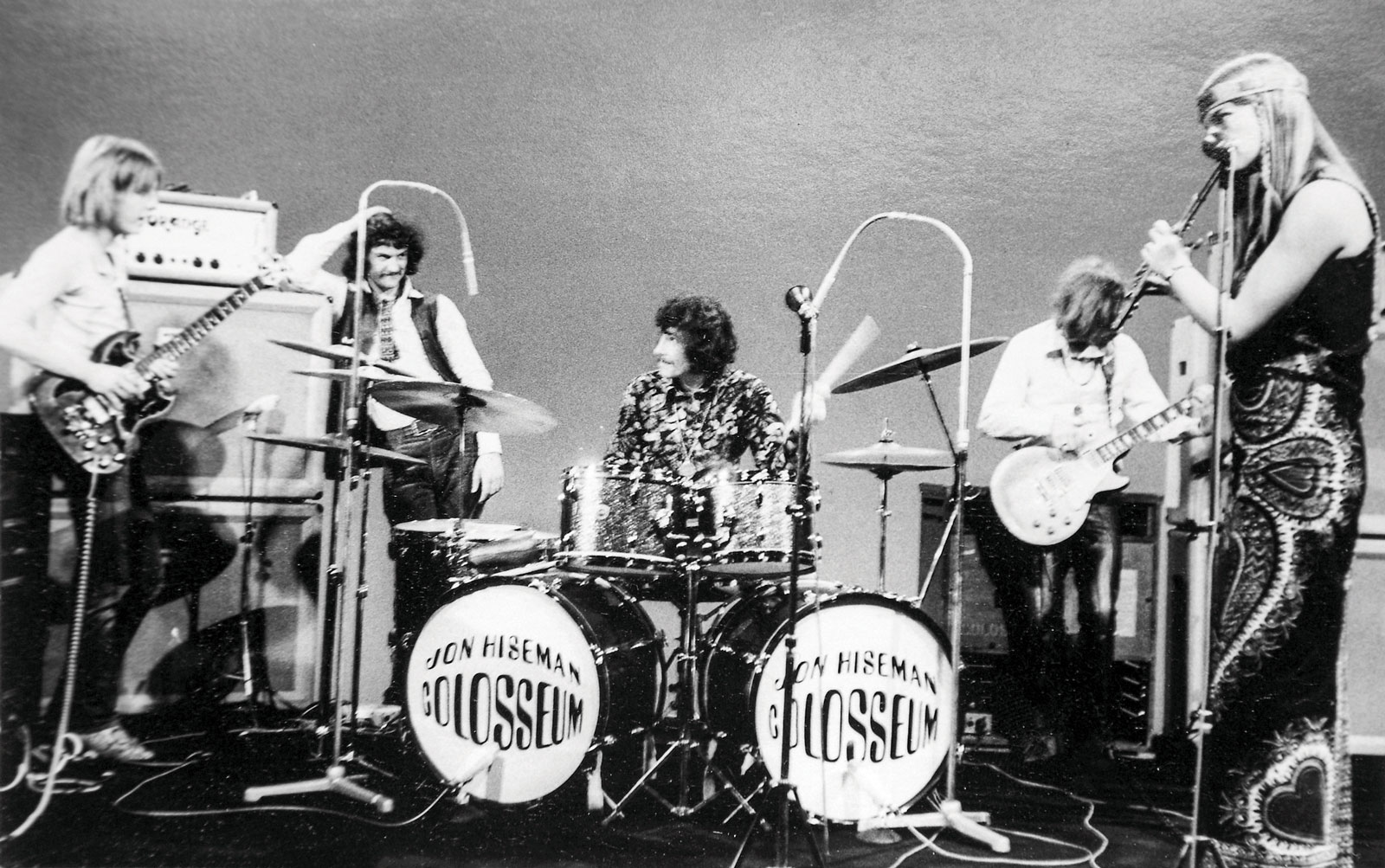
Dave spoofs on Jon’s drumkit
Greenslade then had a welcome ’phone call from Jon Hiseman who said: ‘I’m forming a band with no passengers, no drug addicts, no lunatics and just people that can play. Would you like to join? Dave said: ‘Yes please.’ He had no idea what the band would earn but it would be called Jon Hiseman’s Colosseum. Jon had already got a deal with manager Gerry Bron. Dave: “So I went from £90 a week to £20. And I didn’t care! I knew that it was going to be great.”
Dave was reunited with Tony Reeves, Jon and Dick Heckstall-Smith joined on saxophones. They advertised for a guitar player in Melody Maker and drew two hundred replies. Eventually they settled on 19 year old singer and guitarist James Litherland. The ground breaking new group released debut album Those Who Are About To Die Salute You followed by Valentyne Suite in 1969.
Colosseum’s instrumental fire power and lead vocals were later reinvigorated by guitarist Dave ‘Clem’ Clempson and singer Chris Farlowe that saw the band become headliners at rock festivals and on major tours throughout Europe and America.
Dave Greenslade: “1970 was a fruitful period for the band. We formed in 1968 and developed in ’69 going on to ’70 and this was IT. We were being very productive. But – we began to slide down by the end of 1971. We were so bloody busy gigging and recording we never had time to write new music. When we wrote our epic number ‘Lost Angeles’ we were actually in LA. Dick and I got the whole idea sitting by the hotel swimming pool.”
More changes occurred when Tony Reeves was replaced by Mark Clarke on bass guitar and Clem Clempson left Colosseum in 1971 to join another group.
“Clem had an offer from Humble Pie which he couldn’t turn down. It was a good move for Clem’s personal career and Jon just couldn’t face going through the process of finding another guitarist. It was the right time to break up Colosseum. It had been good fun and we were in the right place at the right time, but the band had run its course”.
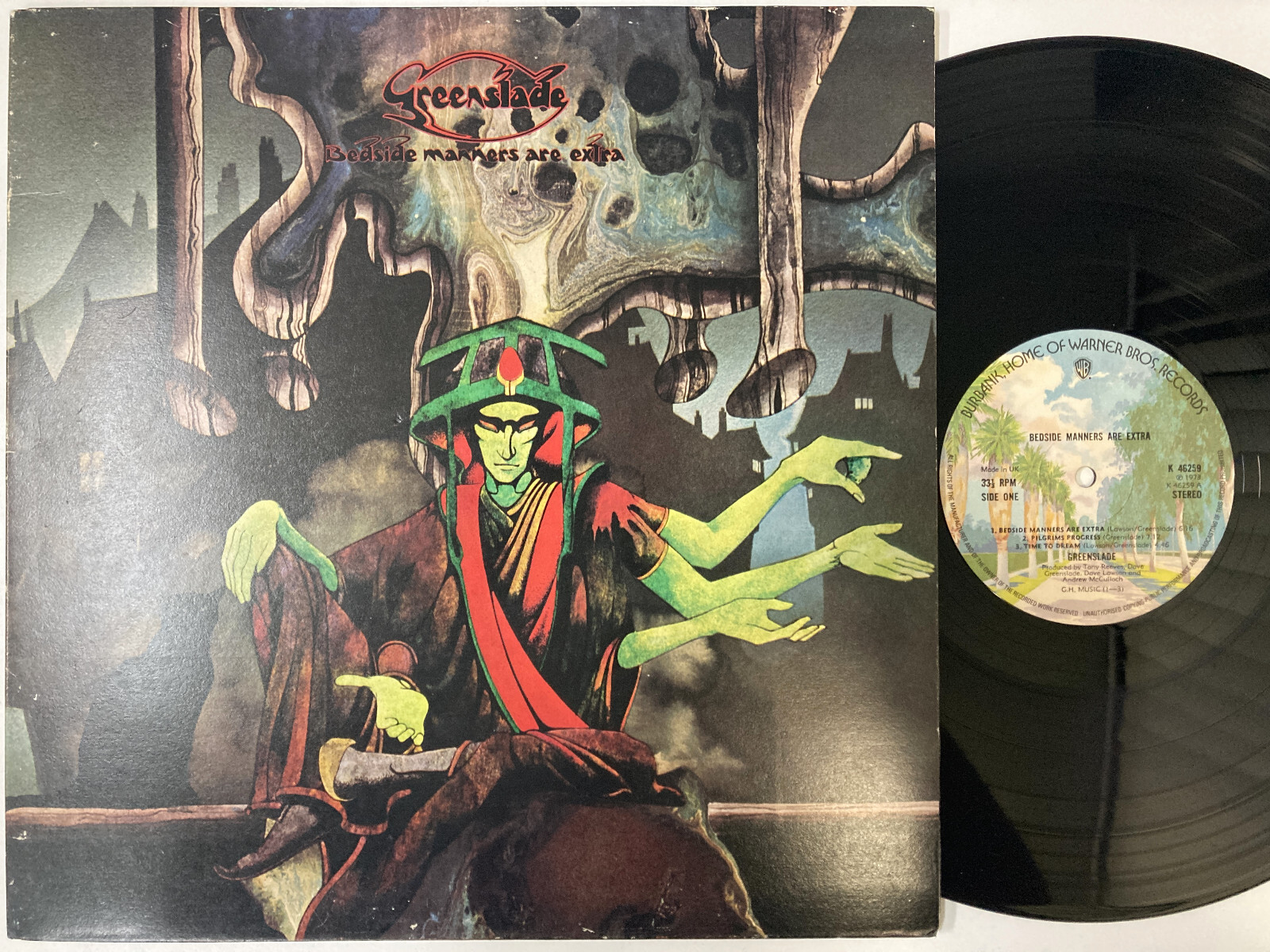 In 1972 Dave took a bold move and formed a new band simply called Greenslade, that only featured keyboards and with no lead guitar. It included Dave Lawson (keys and vocals) Tony Reeves (bass guitar) and Andrew McCulloch (drums). They released four studio albums with outstanding LP cover artwork by Roger Dean, notably Greenslade and Bedside Manners are Extra in 1973 followed by Spyglass Guest (1974). Time And Tide (1975) had a cover painting by Patrick Woodroffe.
After disbanding in 1976 Dave focussed on solo albums notably Cactus Choir (1976) and the Pentateuch of the Cosmogony (1979). Dave Greenslade also expanded his career by successfully writing much in demand music for the BBC TV series Gangsters, Bird Of Prey and A Very Peculiar Practise between 1975 and 1986. In 1994 he devised From The Discworld an album of music inspired by Terry Pratchett’s novels.
COLOSSEUM REUNION
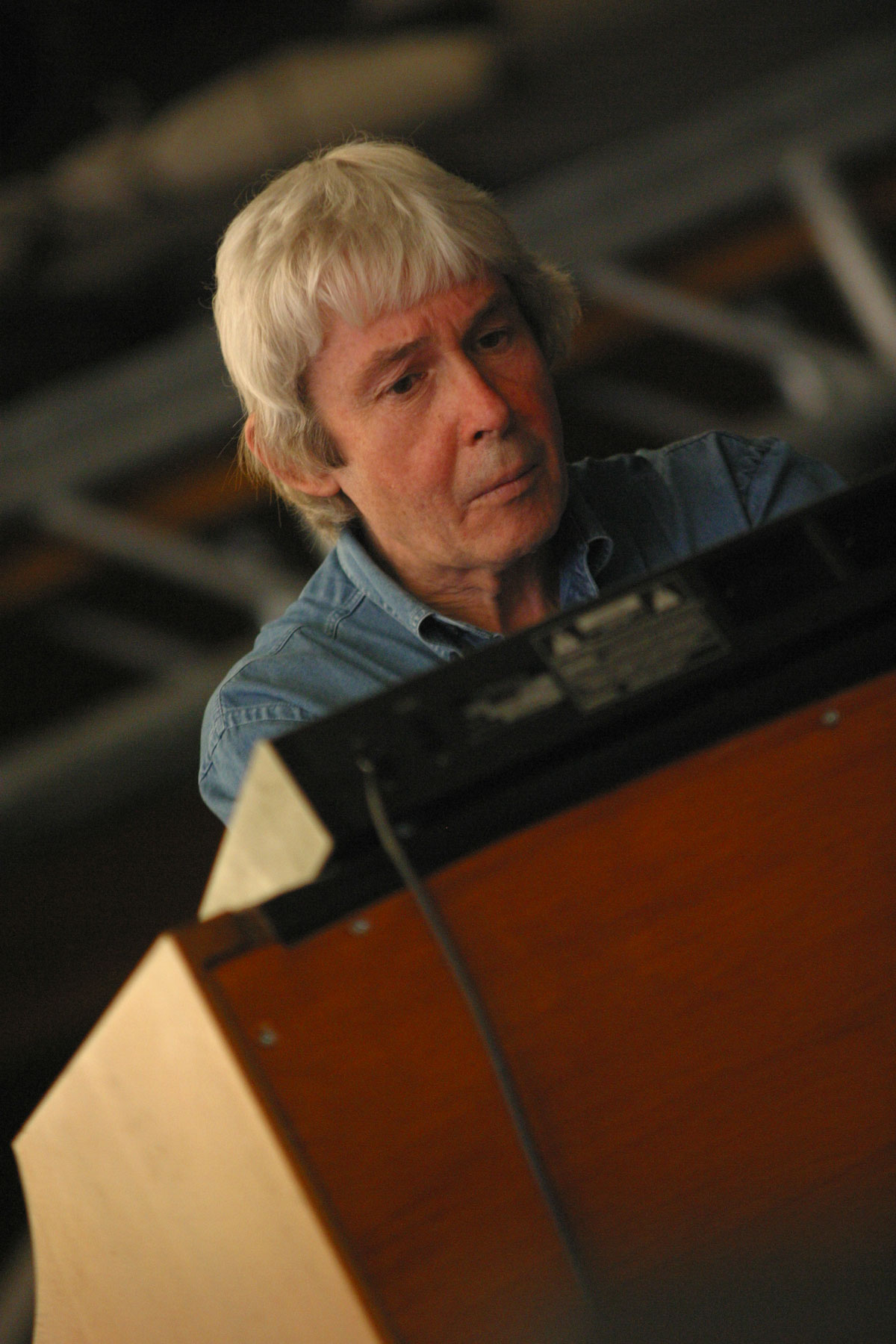 In 1994 Colosseum was reformed after a surprise meeting with his former band colleagues at a party and continued touring until 2015. Dave: “We could not possibly foresee the reaction we’d have when we reformed. It was outrageous. It was after my 50th birthday. My wife Jan organised a party for all these guys to come to my fiftieth in a pub near where we lived. I thought we were just going out to dinner with a few friends.
“But my old mate Phil Winterton said: ‘Let’s pop in the pub for a drink before we get to the restaurant.’ So we went in and it was very quiet. Phil said let’s go through the curtains. And all the people I knew in the music business were back there including all of my bands Greenslade and Colosseum! And so we had a great party. It ended up with me accompanying Chris Farlowe on the piano doing Stormy Monday Blues. Clem went up to Jon apparently and said: ‘Listen, you’ve got to put the band back together again.’ And he did!
“Colosseum then went on for years until 2015. Every other year we’d tour and make several albums along the way. The last show was at the Empire, Shepherds Bush”. A new Colosseum formed later, following the death of Jon Hiseman in 2018. (Jon’s beloved wife Barbara Thompson, who played saxophone and flute with the band for many years died on July 9, 2022).
Dave: “Jon’s passing was the biggest shock of my life. No one expected that. He was a strong guy mentally and physically. He was in the middle of forming his new band JCM when Clem Clempson called me and said he was getting a bit worried about Jon”. Clem was in Germany with the band and reported that Jon was behaving strangely.
“He wasn’t well and the next I knew he was flown home and taken straight to Harley Street for consultation and treatment. From that time onwards, it was only seven weeks until his demise. It was shocking.”
Before the run up to JCM Dave Greenslade had been reviving his own career with the release of Routes/Roots (2011) and performing with blues musician Dave Thomas in the duo G&T. More recently Dave had overseen the issue of live Colosseum and Greenslade albums on Repertoire, encouraged by proprietor Thomas Neelsen. During interviews for the CD liner notes he was always happy to reminisce about the music and the memories they brought back especially, about his childhood friend Jon.
JILL HISEMAN’S STORY
Dave Greenslade’s own death was indeed a blow to all those who loved him, including his partner of many years Heather Storr who announced Dave had suffered a stroke in January 2026 . Heather explains he never fully recovered from the pneumonia that followed and he was transferred into a care home in Bungay, Suffolk where he died five weeks later on Sunday June 14th, 2026.
Many of former friends and colleagues have expressed their sorrow and sympathy including Clem Clempson, Dave Lawson, Tony Reeves, Chris Farlowe and Albert Lee.
Jon Hiseman’s sister Jill who knew Dave from childhood burst into tears when she first heard the news from Jon’s daughter Ana. She wrote in reply: ‘Dave – or ‘Sach’ as we always called him – was such a massive part of my early teens. He was always at our home in Eltham and was like family.
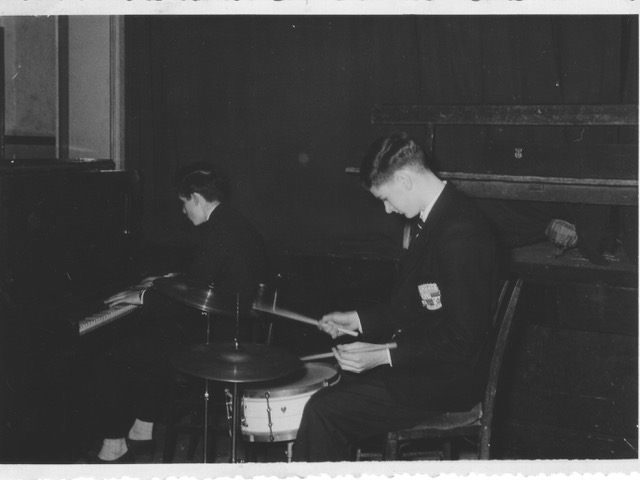 “I shall never forget his laugh and his beautiful smile and how he always treated me with such kindness and generosity of spirit.
‘Rare – considering I was entering my teenage years when young sisters in the 1950s were not always valued by teenage boys, particularly one’s brother’s friends! But I certainly remember valuing Dave as one of the family and would listen to him playing jazz on our massive grand piano, thinking how gifted he was and how unfailingly charming yet at the same time, completely genuine.
‘Our Mum thought he was wonderful. Do you think Ana that your Dad and Dave might be celebrating up there with a jam session? I do hope so.
‘By the way, I do remember that photo you’ve sent me of that kind of session I would dare to sit in at in our Drawing Room after school. Hence your Dad’s school blazer!’
RIP dear Dave.